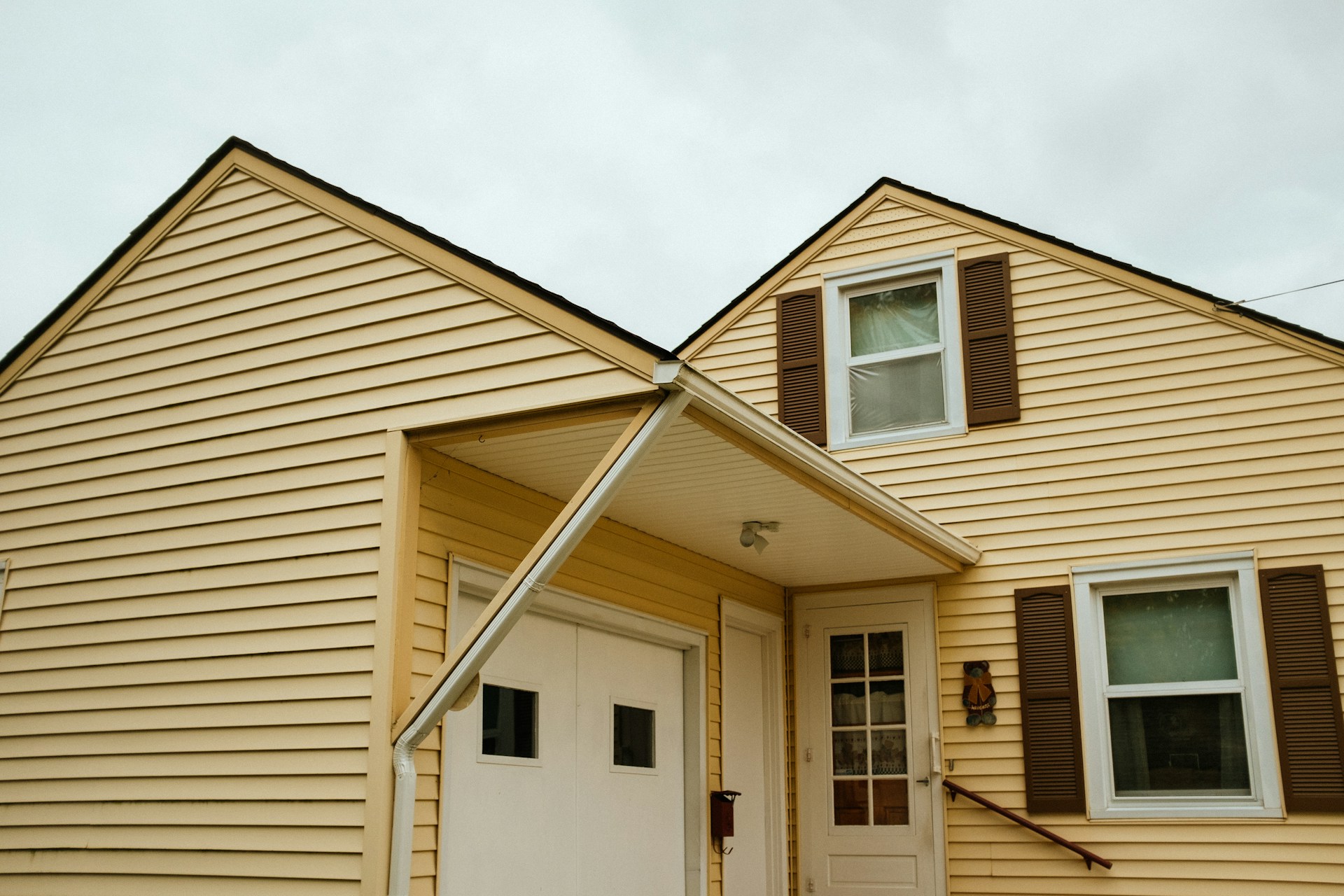
Winter Safety Tips During Siding Installation
When winter rolls around, siding work doesn’t stop, but it does require more care. Freezing temperatures, icy surfaces, and shorter days make siding installation in colder months more complicated than during the rest of the year. These conditions can slow progress and increase risks for both your property and personal safety.
For homeowners in Havenhill, it’s especially important to take extra steps before starting any siding project. Local winter weather can shift quickly, bringing unplanned snow, wind, or sleet. Understanding how to handle these risks helps make the whole process safer and smoother. Whether you’re upgrading your siding or making repairs, keeping safety front and center is key to avoiding delays, injuries, or surprise costs.
Preparing For Winter Siding Installation
Good planning lays the groundwork for a successful winter siding job. Cold conditions mean the usual process needs to be adjusted, so taking the right steps ahead of time goes a long way in avoiding future issues.
Here are five ways to prep your Havenhill home for winter siding work:
1. Clear the work zone. Shovel and sand walkways, driveways, and other common areas where materials or ladders may be placed. Icy surfaces can cause slips when you're lugging building panels around.
2. Check HVAC vents. Siding is often installed near exhaust areas. If those vents are blocked by snow or ice, it can affect heating performance and pose safety risks.
3. Inspect your existing siding. Look for signs of dry rot, cracks, or water damage on current panels and wall sheathing. Cold weather speeds up wear on weak areas.
4. Schedule a full home inspection. An expert might spot structural or moisture issues you may not notice. Frozen surfaces can hide things that would be clear during warmer months.
5. Pick the right materials and adhesives. Not all siding is made equal when the temperature drops. Choose materials built for low temperatures and use cold-weather adhesives for better long-term results.
One homeowner we worked with last year ran into a costly delay when hidden damage under their old siding wasn’t caught early. It set the whole project back by several days. Taking time to do a full check can make a big difference in keeping your budget and schedule on track.
Addressing Weather Challenges
Havenhill winters often mix snow, rain, wind, and freezing temperatures—all of which impact exterior construction work. Even a light dusting or brief drop in temperature can create tricky conditions.
The most common winter hurdles include:
- Snow and ice buildup: These cause trip hazards and slick surfaces. They also affect equipment and storage materials.
- Freezing temperatures: They may prevent adhesives or sealants from curing properly, leading to gaps that let moisture in.
- Sudden temperature shifts: These can cause certain siding materials to warp, crack, or fail if not installed carefully.
Here’s how to manage these issues before they cause trouble:
1. Watch the weather forecast often. Choose dry, clear days with milder temperatures, and plan project timelines around expected snow or wind. Building in buffer days helps avoid rushing the work.
2. Protect stored materials. Sheet siding, fasteners, and other supplies should be kept covered and dry. If they freeze or get soaked, they might not work correctly.
3. Clear and prep surfaces daily. Shovel snow from decks and patios early, then salt or sand to reduce the risk of slipping. This makes life easier for the installation crew.
4. Use wind barriers or tarps. These shield the workspace from gusts and cold drafts, especially when tearing off old siding and exposing the home’s structure.
Working during winter simply takes more time. Pushing for fast results in cold conditions can lead to unsafe work and poor results. Building realistic timing into the plan is better than dealing with mistakes or rushing the crew.
Safety Measures During Installation
Once the project is underway, daily safety should take top priority. Icy conditions and cold equipment can quickly become dangerous if ignored.
Start with walkable areas. Ladders, decks, paths, and scaffolds should be cleared and treated each morning. Even light overnight frost can turn into an accident waiting to happen by mid-morning.
Installation crews also need gear that stands up to the cold. For safer siding work in Havenhill winters, the right clothing and equipment should include:
- Insulated, grip-ready gloves
- Waterproof, anti-slip boots
- Warm but flexible layers of clothing
- Hard hats for overhead work zones
- Protective glasses or goggles
Some tools behave differently when temperatures drop. Nail guns, for example, might jam or misfire. Regular checks during the workday help avoid costly mistakes or injuries. If possible, setting up a warm area indoors or nearby for breaks will help the crew stay comfortable and alert.
If heavy snow or sudden ice appears, don’t be surprised if the job gets rescheduled. That’s not a delay—it’s the smart call. Rushing siding during unsafe weather often leads to extra repairs and poor insulation performance just a few weeks later.
Post-Installation Checks For Winter Resilience
A project might look finished when the last screw goes in, but that doesn’t mean the job is over. Inspections during this final step are even more important in winter, when missed details can lead to damage you may not see until spring.
Make sure to:
1. Examine all siding panels closely. Are they secure with no major gaps? If you gently push on vinyl siding, it should flex slightly but stay firmly in place.
2. Check all trimmed edges. This includes around doors, windows, and roof lines. Poor sealing here is where cold air and water tend to sneak in.
3. Look for any leftover debris. Bits of old siding, fasteners, or plastic packaging can stay hidden under snow. These might cause drainage issues later on.
4. Do an inside check. Peek at upstairs walls or attic spaces to spot signs of unwanted moisture like stains or damp insulation.
If everything checks out, a bit of upkeep can make sure things continue to hold up. That includes:
- Gently brushing snow off lower siding panels after big storms
- Monitoring gutters and downspouts for leaks that may reach your new siding
- Watching for ice dams forming near roof edges that could push water behind panels
Catching minor issues early means fewer headaches once the worst of winter hits. Keeping things tidy and functional now helps your siding last longer and stay stronger.
Keeping Your Home Safe This Winter
Siding installation during winter in Havenhill takes more than good materials—it takes a smart strategy built around preparation and safety. Cold weather doesn’t leave much room for guessing or rushing, and cutting corners in these conditions only leads to problems down the line.
Every step, from the prep work to the final check, supports a safer and more successful project. Something as simple as the right boots or watching the forecast a few days out can keep your home and the people working on it protected. Winter weather makes siding harder, but it doesn’t make it impossible.
With the right planning and a little extra awareness, keeping your home secure and your siding job on track this winter just takes a few thoughtful steps.
Considering how quickly winter conditions can shift in Havenhill, making sure your home is protected takes extra planning. If you're looking to get started the right way, take a closer look at how our approach to siding installation at Family Roofing can help you stay on track through the season.
