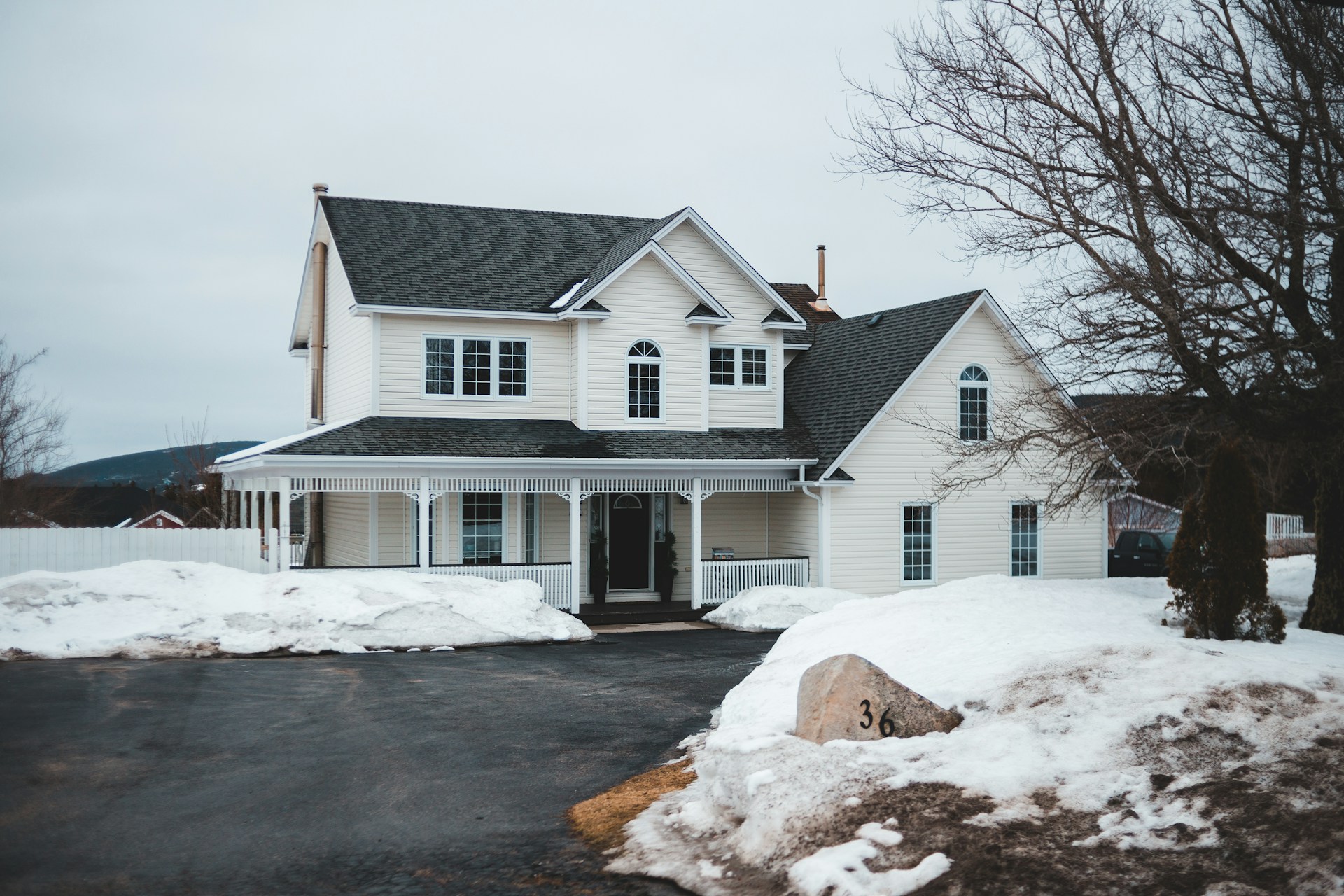
Winter Impact on Asphalt Shingle Performance
The weather in Merrimack Valley can throw just about everything at your roof during the winter. Between dropping temperatures, heavy snow, and icy conditions, asphalt shingles are put through a lot. That wear and tear might not stand out right away, but over time, it can lead to problems that are hard to ignore or expensive to fix.
Many homes in this area use asphalt shingles because they’re durable and cost-effective. Still, they’re not invincible. Winter has a way of revealing existing issues or creating new ones. Being aware of what can go wrong helps you stay ahead of damage before it turns into a larger project. Whether you're a longtime homeowner or someone who's recently moved into the area, it pays to understand how the cold season affects your roof.
Understanding Winter's Impact on Asphalt Shingles
Asphalt shingles are built to handle a range of conditions, but winter weather pushes them to their limits. During the cold months, your roof faces freezing temperatures, snow accumulation, steady cycles of melting and re-freezing, and gusty winds. These forces interact with shingles in ways that slowly wear them down or make existing damage worse.
For example, when snow sits on your roof, it eventually begins to melt during the day and can freeze again overnight. That back-and-forth freezing and thawing makes shingles expand and contract repeatedly. Over time, this motion weakens the material, breaks down sealants, and can cause surface cracking. Add on ice buildup and wet conditions, and it’s easy to see why problems start to pile up.
If your roof is aging or wasn't installed with winter conditions in mind, it’s more likely to experience issues. Shingle granules may wear away faster, revealing the base of the shingle and making it more vulnerable. We’ve seen homes where one rough season led to widespread shingle lifting or curling, both of which expose the roof decking to moisture and wind damage. That’s something you want to avoid if you can.
Common Issues With Asphalt Shingles During Winter
Cold temperatures alone aren’t always the main problem. It’s what comes with them that creates damage. Winter in Merrimack Valley can bring multiple weather changes quickly, putting your shingles under constant stress. Here are a few of the most common problems that homeowners encounter:
1. Ice Dams
Ice dams start forming when the area near the peak of the roof is warmer than the edges, often due to heat escaping from poorly insulated attics. This causes snow near the top to melt and flow down to the colder edges, where it freezes again. Over time, that ice can build up and trap water behind it. That backed-up water may leak under shingles and soak into the roof deck. The longer it sits, the more likely it is to cause rot and mold.
2. Cracking and Buckling
Asphalt expands when it’s warm and contracts when it’s cold. While shingles are designed to handle some movement, deeper fluctuations, especially when wet, make them more likely to crack or buckle. Cracked shingles aren’t just ugly. They allow water to enter under the surface, which can then freeze and make the damage worse.
3. Moisture Infiltration
Water is a sneaky enemy. Snow that melts and puddles on unseen dips in the roof can seep into the layers below. When that moisture freezes again, it expands, pushing apart materials and creating pathways for more water. This repeated process weakens the roof and may cut years off its expected lifespan.
Staying informed about these common problems gives you a better chance of spotting them early. Checking your roof after storms and at key points throughout the season can help you catch damage before it spreads. Keeping winter stress in mind is one of the first steps to a strong, lasting roof.
Preventative Measures To Protect Your Asphalt Shingle Roof
Winter weather in Merrimack Valley doesn’t let up, so taking a few smart steps ahead of time can keep your asphalt shingle roof from giving you trouble mid-season. It’s easier to prevent problems than to deal with the aftermath of water damage or warped shingles. Here are a few things every homeowner should focus on.
- Check Your Insulation and Ventilation
Your attic plays a bigger role in roof health than you might think. Poor attic insulation allows heat to escape, warming the underside of your roof, which can lead to uneven snowmelt. That’s a major cause of ice dams. On the flip side, without enough ventilation, warm air can’t move through and moisture builds up. That leads to condensation, which can damage the roof decking from below.
- Keep Gutters Clear
Clear gutters mean water has a place to go when snow melts. If leaves and debris block the flow, water backs up and may freeze along the edges of the roof. That trapped moisture is what starts the ice dam cycle mentioned earlier. Cleaning out your gutters before snow hits is one of the easiest ways to reduce the risk.
- Schedule a Roof Inspection Before Cold Weather Hits
It’s helpful to have a professional take a look at your roof before winter kicks in. They’ll spot issues like lifting shingles, damaged flashing, or worn areas that might not handle snow well. Getting those things fixed early on can help avoid needing repairs when it’s freezing outside.
One homeowner we worked with didn’t notice a small group of cracked shingles on the side of their roof. After a few weeks of snow buildup, water started finding its way in through those cracks. What was a simple patch job turned into mold removal and partial decking replacement. Being proactive can save time, money, and keep your roof in good shape without added stress.
When To Consider Asphalt Shingle Roof Replacement
While some shingle damage can be repaired, there comes a point when repairs no longer cut it. If a large portion of the roof is worn out or failing, replacement may be a smarter option. Knowing when to draw that line helps you avoid throwing money at short-term fixes.
Signs that a roof replacement might be needed include:
- Large areas of cracked, buckled, or missing shingles
- Shingles that shed lots of granules and look bare or shiny
- Leaks in multiple parts of the attic or ceiling
- Sagging sections of the roofline
If your home’s roof is older and winter keeps pushing it past its limits, it might be time to consider newer materials designed to handle cold weather better. Some asphalt shingles now come reinforced to resist moisture and cracking from temperature shifts.
That said, winter isn’t always the ideal time for a full roof replacement. Snow, ice, and freezing temps can slow down the process or affect material performance during installation. Early fall or late spring tends to offer better conditions, but if the damage is serious, a replacement may still be necessary even in colder months. A reliable contractor will know when it’s too risky to move ahead and when it’s still possible.
Keep Your Roof Winter-Ready with Family Roofing
The cold months can wear down even a new roof if you’re not paying attention. Between freezing temperatures and changing weather patterns, asphalt shingles take a beating. Spotting early signs of damage makes it easier to decide whether repairs or a full asphalt shingle roof replacement make more sense for your home.
Keeping your roof healthy through winter doesn’t have to be overwhelming. Taking preventive steps before the worst weather arrives and knowing what signs to look out for after each storm gives you a better shot at avoiding big surprises. Merrimack Valley winters aren’t gentle, but with the right care and timely decisions, your roof can handle what comes next.
To keep your home protected through the harsh Merrimack Valley winters, it’s important to know when an asphalt shingle roof replacement might be your best option. A timely replacement can help prevent costly damage and keep your home safe and sound no matter what the season brings. Family Roofing is here to walk you through your options and get your roof ready for whatever comes next.
