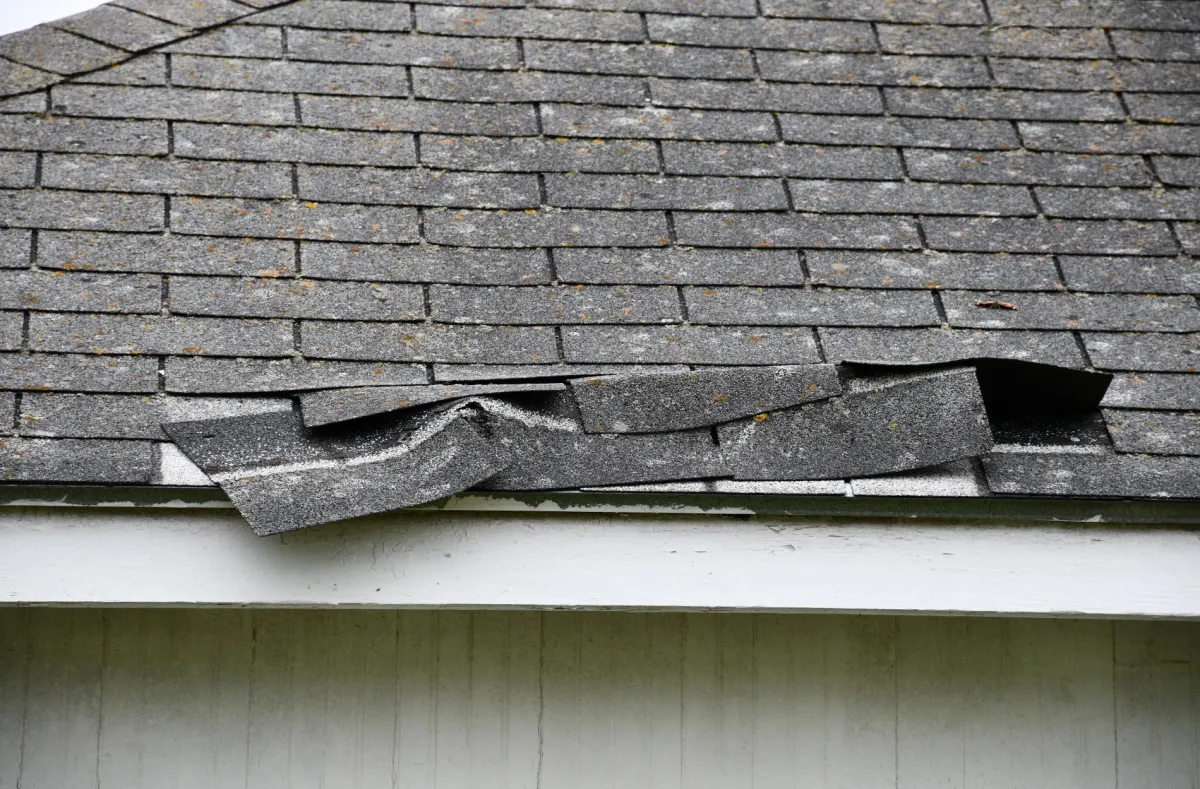
Why Roof Storm Damage Repair Can’t Wait in Merrimack Valley
Winter storms don't just come and go in the Merrimack Valley. They often hang around, tossing snow, sleet, high winds, and freezing rain into the mix. That’s why roof storm damage repair shouldn’t wait. The longer damage sits covered in snow or ice, the harder it becomes to catch early. Many of the warning signs aren't obvious until after the next thaw, or the next storm.
Storms hit roofs harder during winter than in any other season. Snow piles up, melts a little, then freezes again. Add in wind and heavy ice, and you're looking at wear and tear that builds fast. The biggest problem right now isn’t always the damage you can see, it’s the trouble that starts out small, hides under snow, and gets worse the longer it's left alone.
Signs Your Roof Took a Hit After a Storm
Storm damage on a roof doesn’t always mean shingles scattered across the lawn. Sometimes the signs are a lot smaller or tucked out of sight. Knowing what to look for helps stop deeper trouble from creeping in.
• Shingles that go missing or lie bent and broken are the easiest clues, but there’s more. A roof that starts to look uneven or sags near the middle can mean the wood underneath took a hit.
• Damaged or dislodged flashing, especially around chimneys, vents, or valleys, can quietly cause leaks over time.
• Inside the house, keep an eye out for dark spots on ceilings or wet patches in the attic. Drips in corners or along window tops often start because of shifting shingles or pulled-up seams.
• This time of year, timing matters. Late February storms pile up snow fast, then sunny days cause a melt. That sudden shift lets water sneak in where it couldn't flow properly during the freeze.
These issues can grow quickly without a close look.
Risks of Delaying Roof Repairs After a Storm
Small damage isn’t harmless. Putting off repairs works against you, especially with the way weather flips back and forth in Merrimack Valley right now.
• Water that slips under shingles or through flashing doesn't just go away. It soaks into insulation. It causes mold. Over time, it starts to weaken the wood structure underneath.
• Repeated freeze-thaw cycles make the gaps wider every time. What starts as a trickle in February can lead to wide-open leaks in March.
• Waiting can also create problems with insurance. If too much time passes, or if there's more damage from another storm, you might end up with fewer options when it comes time to make a claim.
Most winter storm damage doesn’t fix itself, it spreads.
How Merrimack Valley Weather Makes Roof Damage Worse in Late Winter
By late February, roof problems can snowball fast because of the kind of weather we see here in Merrimack Valley. It’s not simply more snow, it’s shifting temperatures, ice dams, and trapped runoff.
• Ice dams form when daytime sun melts roof snow just enough for water to trickle down to the edges, then freeze again overnight. The ice builds up at the eaves, trapping more water and pushing it under your shingles.
• Those fast freeze-thaw swings don’t give roofs time to dry out fully. Repairs left undone after one storm will wear down more by the next one.
• Flat and low-slope roofs, like many on small businesses, trap meltwater longer. If drains clog, those roofs hold water longer, which adds pressure and raises the risk of leaks cutting through.
This kind of weather is hard on even strong roofs, but especially on those with existing damage.
What Professional Repair Work Looks Like After a Storm
When we inspect roofing after a storm, we look deeper than surface-level issues. Late winter brings its own set of wear patterns, so we check for both old and new signs of trouble.
• We inspect shingles for cracks, gaps, curling, or missing pieces. Those are easy to spot, but even if they’re still in place, we look closer to see if they’ve been loosened or waterlogged.
• Flashing gets a full check, especially around chimneys, vents, valleys, and roof edges. These spots move with the home and can split or break open.
• Seals along nail lines and joints are tested to see if water has gotten past them.
• Parts we often need to fix or replace are flashing strips, loose shingles, nail seals, and roof cement. Stopping leaks here before more snow comes in can save bigger repair trouble in spring.
We're careful about every detail we check, especially when calls pick up and weather is still changing fast.
Why Local Experience Matters in Storm Repair
Every area has its own quirks, and the Merrimack Valley is no different. Getting roof storm damage repair right means knowing how this region’s weather usually acts after a deep freeze or storm surge.
• We’ve worked with the typical roof styles here, from older wood-framed homes to newer builds, and that helps us know what kind of problems pop up repeatedly.
• Local knowledge tells us which materials hold up best heading from winter into early spring. What works well in dry climates doesn’t always last through our winters.
• Early repair scheduling is easier when you live or work nearby. That means repairs can be made between freeze cycles and before snowmelt has a chance to change something minor into something major.
Knowing the patterns here helps us get ahead of damage before it spreads too far.
Act Early to Avoid Bigger Headaches This Spring
Waiting for warm weather might seem like the easiest choice. But post-storm damage piles up fast in winter, hidden under ice and frost until it’s too late to contain. February is when slow leaks become soaked ceilings. It’s when half-fixed flashing leaves behind full repairs come spring.
Fixing what you can now gives your roof a better shot at surviving the rest of winter without drama. Doing nothing only leaves more room for water to slip through and weather to make it worse. Acting early means fewer surprises and fewer costs later.
According to our repairs page, Family Roofing offers emergency repairs in Merrimack Valley, with experienced crews using top-rated ice and water shield materials to protect against repeat leaks. We provide roof inspections, shingle replacement, and flashing repairs designed for New England winters.
When winter weather leaves your Merrimack Valley home or building with missing shingles, water spots, or other signs of damage, waiting can make problems worse. Our experienced team at Family Roofing specializes in this region’s unique freeze-thaw patterns, so we know exactly where to look and how to address issues before they spread. Ask us about roof storm damage repair and schedule an inspection at a time that works for you.
