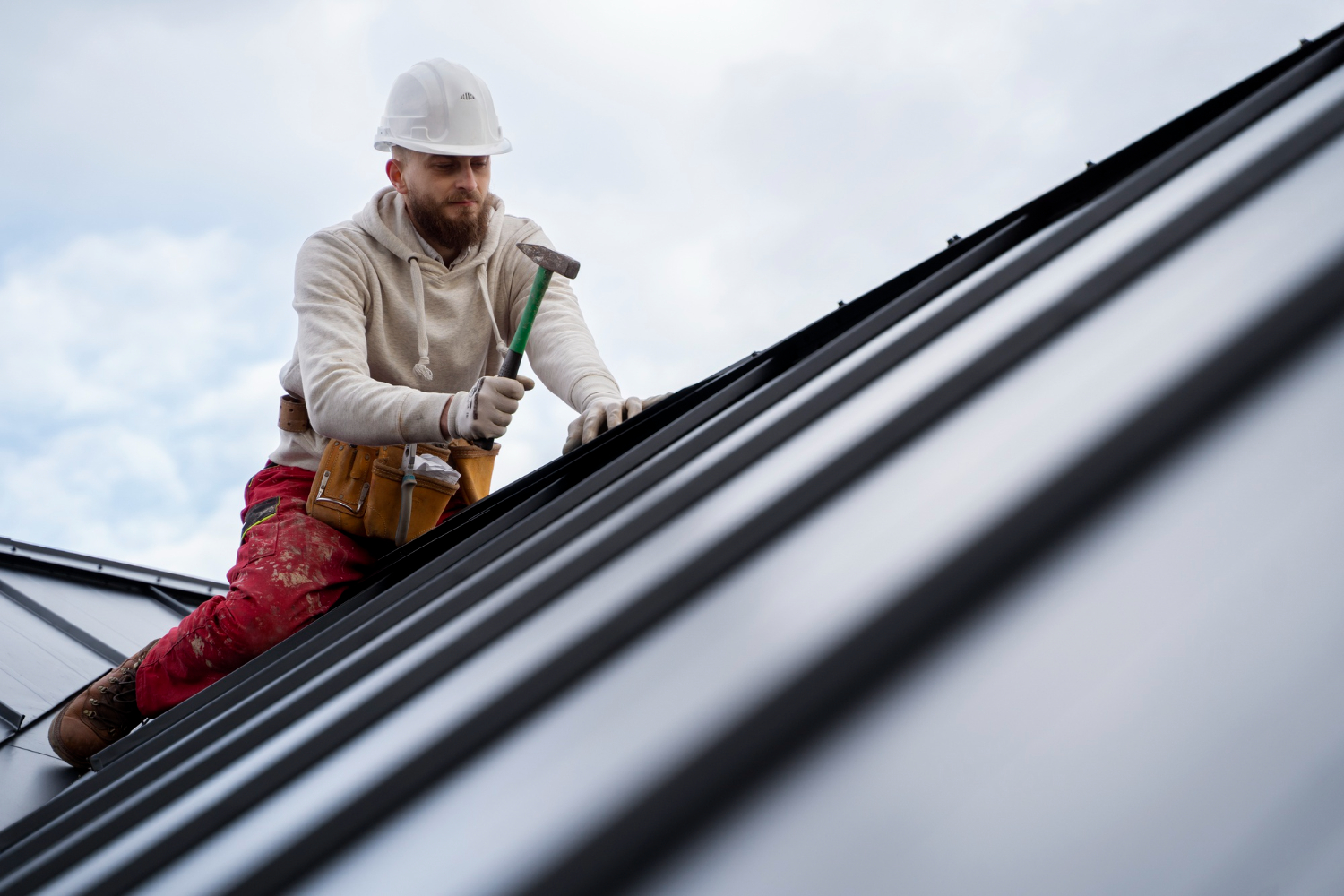
Everything to Know About Sheet Metal Roofers in a Rainy September
September brings steady rain and crisp breezes to Havenhill, Massachusetts. For roofs across our town, that can mean trouble if there’s any weak spot up top. Asphalt shingles may already be curling. Wood shakes might start to swell. As the wet weather builds, small issues can lead to bigger ones fast.
That’s when we notice more calls for help, especially related to metal roofing. This is the time of year when experienced sheet metal roofers stay busiest. Whether it’s a leaking joint or lifting flashing, water in the wrong place doesn’t wait. So if you’re trying to keep your home dry, it helps to know what these pros actually do and how they help prepare roofs for unstable fall weather.
How Rain Impacts Different Roof Materials
Not all roofing handles heavy rain the same way. Some older roofs start to show their age just after a couple of storms.
Asphalt shingles can loosen or crack when water settles in low spots. Once those cracks let moisture through, the layers underneath may rot fast.
Wood shakes soak up moisture, and when they’re already worn, they might not dry out between storms. That leads to swelling and buckling at the edges.
Flat roofs often hold standing water at the seams or corners. Without enough slope or drain clearance, water may start creeping under the layers.
Metal roofing is built to shed water quickly. When installed properly, the slope and structure guide runoff down and off before trouble forms. That’s useful in a place like Havenhill, in September, when the rain lingers and skies stay damp for days. But even metal roofing isn’t trouble-proof. Common weak points include panel seams, fasteners, and edges that take the full brunt of wind-driven rain. Those are the spaces where early wear often shows up, and that’s where a skilled eye matters.
Different types of metal roofing can have their own unique issues during heavy rains. Standing seam metal roofs, for example, are known for their raised seams, but if even a small area becomes loose, water can seep through. Corrugated panels, another popular choice, may develop problems if the fasteners are not perfectly tight or if the edges bend from heavy winds. Painted metal roofs might develop tiny scratches over time, which can let moisture in and eventually lead to rust. When inspecting your home’s roof in the fall, it’s helpful to know which style you have and where its early problem spots might be.
What Sheet Metal Roofers Really Do
People sometimes think sheet metal roofing is just about laying down metal panels, but there’s more to it, especially in storm-heavy seasons. Sheet metal roofers are hands-on with almost every part of the roof’s makeup. That includes custom cutting, shaping, and installing pieces that make the whole structure watertight.
Sealing panel seams is a common task in late summer and early fall. If any seam starts to part or warp, water has a straight shot underneath.
Replacing flashing around chimneys, vents, or skylights is another frequent job. These zones are more prone to leaks in rainy months.
Some jobs involve reshaping or replacing edge trim and valley channels, especially in older installations that didn’t leave enough room for runoff.
According to Family Roofing’s repairs page, we provide Havenhill homes with metal roof repairs, seam sealing, custom flashing, and weatherproof coatings, all completed by licensed crew members and covered by a warranty. Our sheet metal roofers use tools and methods that respond well to wet conditions. Their skill is in knowing where pressure builds up during a storm and how to give the roof room to breathe while staying sealed.
A big part of these repairs is checking not just the panels but every detail that keeps water outside: screws, clips, trims, and coatings. Sometimes, what looks like a small spot on top actually connects to a bigger gap below. When the weather shifts, materials expand and contract with changes in temperature and moisture. This movement makes it easier for water to find its way in over time, which is why roofers will often recommend regular checkups or repairs as fall turns to winter.
Another important part of the job is making sure repairs are done with the right products for the current weather. Some sealants and patches must dry during specific temperature ranges or while the roof is not too wet. Waiting for a break in the rain before a repair is sometimes needed, and only professionals with local experience can time these jobs for the best, longest-lasting results. Good sheet metal roofers can spot subtle issues that others might miss, stopping an early leak before it becomes a big problem.
What to Look For on a Metal Roof After Heavy Rain
Once a few September storms roll through, it’s a smart time to give your metal roof a once-over. Moisture is persistent this time of year. The faster we catch changes, the easier repairs will be.
Look for rust spots starting to form near fasteners or seams. Even a thin orange trail can mean something moved.
Loose flashing is another red flag. If it’s not tight against the home, wind-driven rain might already be pushing in behind it.
Water dripping from unusual spots, especially under eaves or along inside walls, suggests seams may be opening up or a screw has backed out.
Other warning signs can show up inside the house before you see a problem outside. Watch for new stains on your ceiling or walls, particularly in rooms near the attic. If it feels colder or damper than usual, or you hear more dripping or tapping during storms, you might have moisture sneaking in. It can help to walk the perimeter of your home and look up at the rooflines after a rain. Even if everything looks normal at first glance, sometimes water will gather along ridges or drip slowly from spots that were invisible before.
There are sneakier signs too. If the roof seems louder than normal when it rains, or if you see staining inside near ceiling corners, don’t ignore it. That extra noise or unexpected spot could be water collecting somewhere it shouldn’t. Fall lows and wind only make things worse, so now’s the time to listen and look closely.
Checking gutters and downspouts is also a good idea. If they are clogged or pulling away from the house, water could flow towards places that aren’t protected by metal panels or flashing. A blocked gutter may even push water behind the metal, which then seeps down the walls. Keeping drainage clear will protect your roof and the rest of your home’s structure from slow, hidden leaks over time.
Questions to Ask Before Hiring a Metal Roofing Contractor
When it’s time to bring in help, asking the right questions can take a lot of guesswork out of the process. Some of the best steps happen before the work even begins.
Ask how familiar the roofer is with local weather in Havenhill. Seasonal rain patterns directly affect which repairs hold up long term around here.
Learn what approaches they use for joints and seams in wet months. Fall fixes need to cure properly before early cold snaps roll in.
Make sure to ask about expected project timelines. With unpredictable weather, some days may be too wet to work, and small jobs can stretch if planning isn’t done well.
In addition to these questions, it’s smart to find out what materials and sealants the contractor prefers. Are they rated for both rain and cold? Find out if they have experience with your roof type, whether it’s standing seam, corrugated, or something custom. Ask about their approach to safety, cleanup, and follow-up in case something needs adjusting when the weather shifts again. Most importantly, don’t hesitate to request references from other Havenhill homeowners who had work done during the fall season. Good roofers are always happy to show their work.
There’s peace of mind in knowing the roofer you choose has done rainy-season work before and understands how Massachusetts weather behaves from late September through November.
A Dry Home Starts with the Right Team
We see how a few rainy weeks can uncover roof problems that summer sunshine hid. Preparing your metal roof and inspecting it after storms helps stop water from working its way in. That’s why having the work done right and on time matters so much this season.
Now is when a little bit of effort can hold off a lot of damage later. Whether it’s tightening flashing or checking seams before the next round of rain, early fall is a narrow window to act. When that work is handled by people who understand weather patterns, roof material, and local needs, it sets things up right for the colder months ahead.
Storms can expose hidden vulnerabilities in your Havenhill roof, especially as fall rains arrive and moisture finds its way inside. Our expertise with metal roofing means we pay attention to critical details like finish and flashing, not just the panels. Trust our team to address trouble spots professionally with help from our experienced sheet metal roofers. Reach out to Family Roofing today and get ahead of the next round of bad weather.
