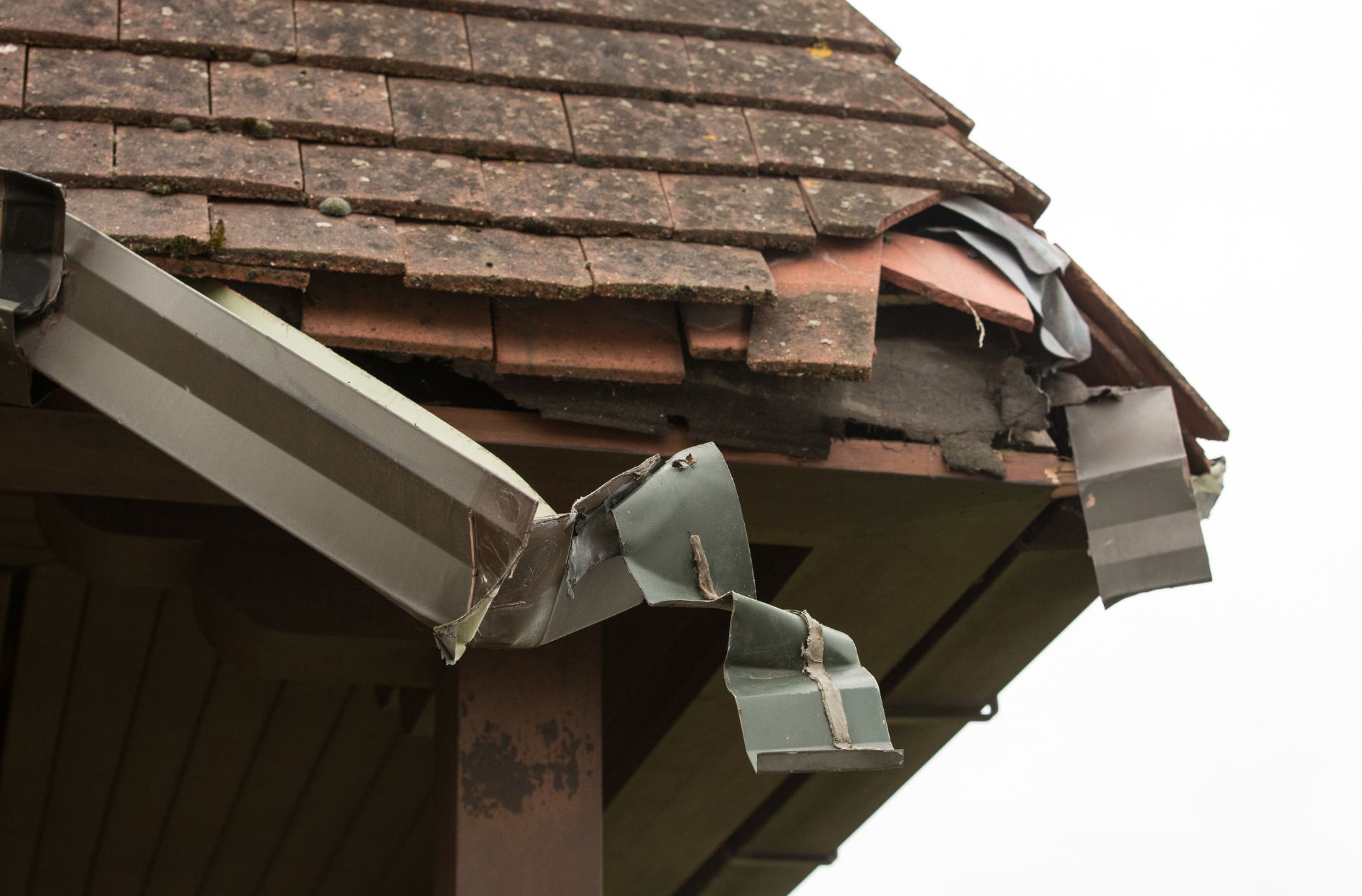
What Makes Residential Roofing Repair Contractors Busy After July Storms
After July storms move through Merrimack Valley, damage that wasn’t obvious before suddenly becomes a problem. What looked like a solid roof in early summer might not hold up after all that wind, rain, and hail. We’ve seen shingles come loose, small cracks turn into leaks, and areas that were holding steady suddenly give way when heavy weather hits.
That’s usually when our schedule fills up fast. Right after summer storms, residential roofing repair contractors go from steady work to packed calendars. Everyone wants to fix what’s broken before more storms roll in. It’s not just about staying dry, it’s about stopping bigger issues from starting. That’s why we always keep a close eye on this time of year. It creates the busiest stretch of the summer, especially around Merrimack Valley.
How Storm Damage Builds Up without Warning
Not every storm leaves clear signs of damage. In July, the weather can flip in hours. Strong winds and rain hit fast, and even a short burst has enough force to lift shingles or shift flashing. The roof might look fine from the ground, but the weak points often hide until the next rainfall works its way through.
We watch for these things because the smallest slip in the structure can open the door to leaking later:
Shingles that lift but don’t detach completely
Cracks that run along seals or soft edges
Gaps forming near roof vents or drip edges
Flashing that moves out of position slightly during hail or high winds
On top of that, repeated storms don’t give a roof much time to reset. One windy day chips the surface and the next rainy one shows where water gets through. Every bit of force adds up, removing protection little by little over the course of the month.
Homeowner Concerns That Push Up Demand
Most people wait until they see a stain or spot a drip. When something hits the ceiling, that’s when the calls come in. We understand why, it’s easier to act when there’s proof. But by that point, the damage has usually spread underneath.
What makes things really stack up is how many people try to solve this during the same handful of weeks. Summer vacations mean homeowners are home more, school breaks give a narrow window to schedule loud work, and by August most want it handled. Here’s where we see the biggest pressures:
Preference for scheduling during time off
Delays from insurance adjuster visits
A rush of claims from the same storm overlapping in the same area
That adds up fast and fills our schedule quickly. If the same powerful storm swept through several neighborhoods, it’s likely a lot of people are calling in at once, hoping their repair gets started soon. That’s what makes this stretch so full, we’re not just fixing new problems, we’re also dealing with delays from the last round of calls.
Why Summer Heat Makes Some Problems Worse
Heat doesn’t just make a job hotter to do, it makes repairs more urgent. Asphalt shingles soften under high sun, especially in the shallow pitches or darker roof surfaces. That can help new materials settle in better, but if the shingles are already cracked, curled, or loose, all it does is speed up the wear.
Sun and heat work together to make earlier damage worse:
UV light weakens older shingle surfaces so they become brittle faster
Any damp area gets hotter under the sun, allowing mold and rot to spread below
Warped or soft wood under the surface warps even more with continued heat cycles
Moisture trapped for days after a storm doesn’t dry out in a nice, clean way. It cooks under the roof. If we’re not brought in early, parts of the roof structure may already be softening by the time someone notices. That’s part of why the spike in calls after July is so sharp. Small problems become bigger ones fast in the summer heat.
What Contractors Focus On Most After July Storms
We’ve learned which roof problems to check first once July storms start rolling through Merrimack Valley. There’s a pattern we follow that helps us move fast, especially when time is tight between calls. We always look for the same kinds of damage that tend to show up after strong summer weather.
Shingles that blew off or began to split
Flashing around chimneys and vents that came loose or buckled
Wood decking that’s starting to show through in exposed areas
According to Family Roofing’s repairs page, we provide roof patching, emergency repairs, and full leak restoration in Merrimack Valley, using premium architectural shingles, ice and water shield, and professional vent flashing. All repairs are done by licensed and insured crews, and backed by a craftsmanship warranty.
Once those problem spots are found, we focus on stopping water from causing more interior damage. Places like valleys, corners, and roof lines with chimneys or skylights tend to get hit hardest. If we can’t do a full repair right away, we set up patch work to keep the home dry and return later with full materials. That’s why mid-summer repairs sometimes get scheduled in layers. First there’s the emergency work, then the full fix when supplies and time open up again.
Timing Repairs Before Late Summer Storms Hit Again
One of the harder parts of roof planning in Merrimack Valley is knowing another round of summer storms probably isn’t far off. Just when one batch moves through, another could be a week or two behind. So when we spot damage in mid-July, we know there’s a limited window to act.
Getting repairs started early means they have the best shot at holding up through the next wave of wind and rain. If the fix isn’t made quickly, the roof usually takes another hit before we’re back up there again. That’s how something minor becomes a full decking replacement within just a few weeks.
Summer storms often come in clusters, especially near the coast
August air holds plenty of moisture, which fuels more rainfall
Late-season damage sometimes doesn’t get fixed until fall, when cold weather starts complicating shingles and sealing
By reacting faster, we cut down the risk that comes from being caught between storms, when materials are already strained and more storms are on the way.
Keep Problems Small with the Right Mid-Summer Response
Late July into early August is when roof issues start surfacing fast across Merrimack Valley. That’s when older leaks reappear, brand-new damage gets spotted, and homeowners flood the schedule trying to avoid worse headlines later. We expect it every summer, and we gear up early because the jobs come quick and often.
Residential roofing repair contractors stay busiest during this stretch of the year because summer storms team up with high heat and busy schedules. What might have been an easy patch during spring suddenly needs more work to stay watertight.
The good news is, you can still stop the damage from spreading. If a roof has taken some hits, this is the time to act, not once the next downpour shows up. Spotting warning signs now saves time before another round of moisture and sun play tug-of-war with your roof again. Fixes made mid-summer stand a better chance of holding steady all the way through fall.
After July's unpredictable weather, now is the ideal time to assess your roof before more storms roll in. We often see small leaks surprise homeowners, especially as late summer heat puts added pressure on aging shingles. Acting quickly can help you avoid more extensive repairs down the road. To make your decision process easier, our page on residential roofing repair contractors outlines what you can expect. Contact Family Roofing today so we can help keep your roof strong before the next weather shift.
