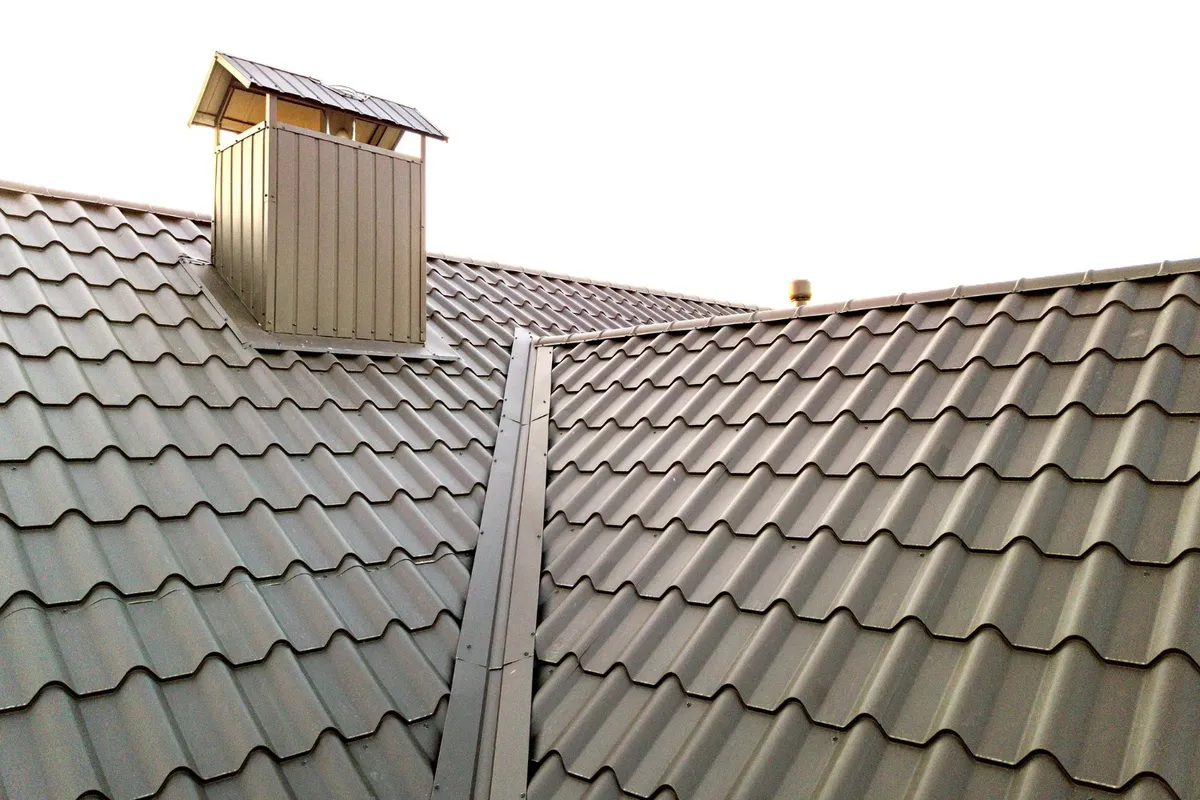
How Metal Roofer Projects Adapt for Colder Weather in Merrimack Valley
As temperatures drop in Merrimack Valley, roofing projects begin to shift in pace and process. Colder weather affects more than just comfort, it changes how materials handle, how quickly sealants cure, and even how crews plan each workday. This seasonal shift is especially noticeable for a metal roofer. Installing metal panels during fall means adjusting our tools, materials, and schedule to suit cooler conditions before winter really takes hold.
Metal roofing behaves differently than other systems when the weather cools. The panels expand and contract, adhesives react to air temperature, and equipment choices start to matter more. By October, we’re planning every step with these changes in mind. Whether it’s the timing or the surface prep, every part of a fall roofing project requires a little more care when it involves metal.
How Temperature Changes Impact Metal Roofing Materials
Cold weather brings movement to metal in small but important ways. Steel and aluminum expand in the warmth and tighten up when the air cools down, and we have to account for that difference during installation.
We leave slightly more space between panels and fastening points in the fall. This prevents binding when freeze-thaw cycles cause panels to shift.
Fastening methods during colder months require more attention to pressure and alignment. Misplaced screws or over-tightened brackets can crack or warp panels when temperatures drop further.
Many sealants used under metal panels don’t set properly in low temps. Some cure too slowly, while others don’t hold at all if applied in the cold. So we track daytime highs to pick the right products for each job.
According to Family Roofing’s repairs page, our licensed team provides fall metal roof installations and repairs across Merrimack Valley, using cold-ready sealants, premium snow guards, and reinforced flashing for added winter durability. We back our work with a craftsmanship warranty.
Planning out every small detail helps us avoid gaps or movement later. That’s what keeps the roof tight through winter and beyond.
Adjusting Project Timing Before Sub-Freezing Conditions Hit
Fall roofing projects always come with tighter timelines. As Merrimack Valley moves deeper into October and November, overnight lows and daytime frost start showing up more often. For metal jobs, finishing before that happens is key.
We prefer to wrap up installs before the first consistent frost sets in, which means planning our schedules more closely around updated forecasts.
Daylight hours shrink fast in late fall. That shortens work windows, especially since morning dew or frost might delay a start time by an hour or more.
Merrimack Valley often sees windy or rainy conditions out of nowhere this time of year. That can pause a job mid-way, which makes early starts and faster setups even more important.
We build ourselves a buffer in the schedule, one that allows for weather hiccups but still keeps the job on track for pre-winter completion.
Tools and Safety Practices Used in Cold-Weather Roofing
Working on a roof changes when cooler temperatures start to settle in. Tools respond differently, and so do the surfaces we work on.
Power tools and compressors sometimes run slower in the cold, and hoses may get stiff. We check gear each morning to make sure everything’s running as expected.
Safety harnesses and boots really matter. We switch to gear that gives better grip and warmth, since colder surfaces can be slick, even without snow.
Strong winds can make it harder to handle long metal panels, especially on exposed rooftops. We adjust the way we move and secure materials based on gust conditions day to day.
Working smart keeps each install safe and steady, even when the temperature drops mid-shift.
Prepping Roof Decks and Underlayment for Seasonal Durability
Before we can install metal panels, the surface beneath needs to be in top shape. That includes both the roof deck and the underlayment, which have their own behavior in seasonal weather.
We make sure roof decks are fully dry before starting. Moisture trapped between wood and metal can freeze, which leads to mold or separation later on.
Not all underlayments perform the same in cold weather. Some stiffen up and crack if applied late in the year, so we match materials with conditions to get solid contact.
We check overlaps and seams more often. Cold air shrinks materials slightly, so we make sure everything's tightly sealed and edges are built to resist wind or wet snow later.
Tight prep work in the fall helps prevent bigger issues when roof layers are covered in snow for months at a time.
Protecting Rooftops from Snow and Ice After Installation
Once a metal roof is installed, the next step is looking ahead, winter comes fast in Merrimack Valley. We plan snow control features during fall to make sure the roof performs just as well in February as it does in October.
Snow guards are placed where needed to slow slide-offs. Without them, heavy snow can fall all at once and damage walkways, shrubs, or gutters below.
Ice buildup starts at the edges, so we focus on how heat escapes from the home and where melted snow might refreeze. That’s where roof shape and drainage paths matter most.
Poor placement of flashing, vents, or fasteners in the fall can lead to water pooling or freezing under seams. We check every install point and build channels for drainage before the first snow hits.
Being proactive with slope, trim placement, and melt paths helps the roof handle snow like it’s built for it, which it is.
Staying Ahead of Winter with Proper Fall Planning
Fall doesn’t give much warning in Merrimack Valley. One week the air is cool and dry, the next it’s dipping into the thirties overnight. That’s why a metal roofer has to stay ahead of the curve when working this time of year. From choosing the right fasteners to managing jobsite start times, each step gets more mapped out than it would during summer.
Planning smarter in the fall saves time and prevents frustration. We adjust timelines, check materials more often, and look at long-range weather models before we even start. That kind of preparation always pays off when snow and ice show up. Metal roofs hold strong through winter, but only if they’re built and sealed the right way before the cold fully settles in.
Preparing your roof for the cold in Merrimack Valley means choosing a team that understands how weather impacts every step, from timelines and safety to material selection. As your trusted metal roofer, we plan carefully around dropping temperatures, prep every surface thoroughly, and never rush the job before winter arrives. Whether it’s sealing edges or installing snow guards, every detail matters when icy weather is just around the corner. At Family Roofing, we approach every fall installation with the goal of keeping your home protected all season long, so give us a call and let us help you stay ahead of the weather.
