Guide to Residential Roof Replacement for Autumn in Merrimack Valley
Early fall in Merrimack Valley is a smart time to take a serious look at your roof. The long humid stretch of late summer begins giving way to cooler temperatures, and that change means the window for exterior work is about to narrow. With winter storms just a few short months away, tackling a residential roof replacement in September or early October gives customers the best shot at a smooth process, without weather delays or last-minute surprises.
Every fall project starts with timing. The earlier homeowners plan, the more choices they have when it comes to materials, scheduling, and preparation. In the sections below, we’ll walk through how to know if your roof needs attention, what the process looks like, and how small steps before the job make a difference in outcome and comfort by the time winter settles in.
Signs Your Roof Might Need Attention This Fall
Not every roof that looks weathered needs to be replaced, but there are a few warning signs that stand out during late summer in Merrimack Valley. Anytime you notice shingles that are cracked, curled, or missing, it’s a red flag. Those small gaps leave room for moisture to get underneath, which can lead to bigger issues when day and night temperatures start swinging.
Discoloration across the roof is another signal. Streaks or dark patches can mean there’s moss or moisture trapped under the surface, especially if drainage slowed during the humid months. Sagging spots or soft dips in the roofline often point to damage underneath. These problems have a way of worsening as soon as heavy rain or wet leaves land in fall.
Age matters too. If your roof is more than two decades old, it’s worth having someone assess whether it can handle another harsh winter. Getting eyes on it early in the season gives you enough time to replace it properly if it’s needed, instead of rushing repairs when cold weather reduces what we can do.
What Happens During a Residential Roof Replacement
A full roof replacement usually begins with stripping away all existing layers. That includes shingles, underlayment, and flashing. We work down to the decking, checking for moisture damage or soft wood underneath. Anything that’s not sound gets replaced so the new roof has a solid base.
Once the surface is clean and dry, we install ice and water barriers along the edges and valleys, followed by a layer of protective underlayment. This forms the second line of defense after the shingles. Then come the shingles themselves, laid in a pattern that sheds water properly across the slope.
Fall makes the work a little different than in other seasons. With shorter days and cooler mornings, we often start earlier and wrap up before dusk hits. It’s important to monitor the weather closely because even a quick shower or drop in temperature can affect how materials set. We take precautions on every job to keep exposed areas covered and protect both the home and the install progress.
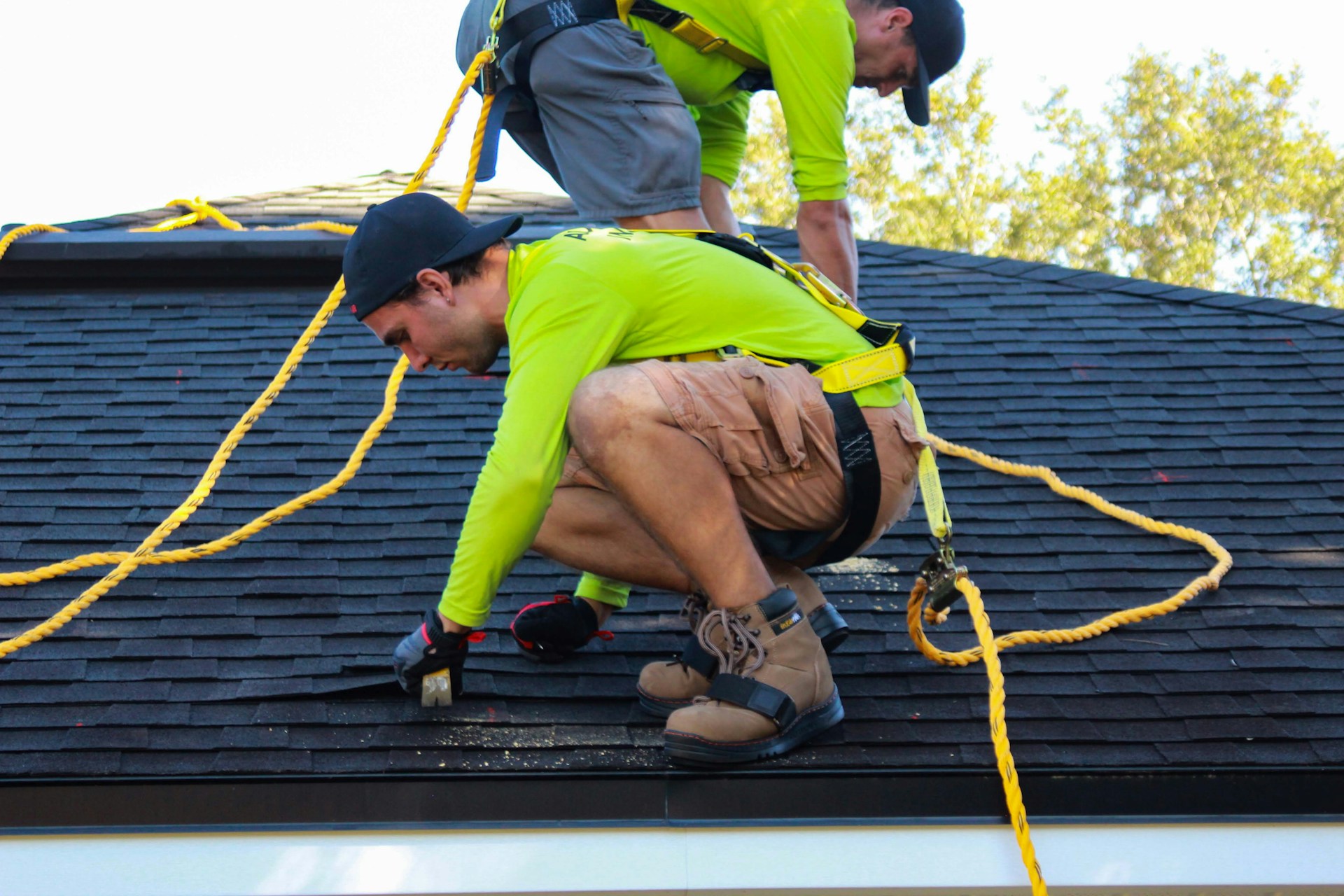
Safety is a big part of this stage. Fall conditions may cause dew or frost earlier in the day, which means harnesses, ladders, and walk boards all get checked each morning. The goal isn’t just to finish the project on time, it’s to do it carefully, even as daily conditions shift.
Choosing the Right Materials for Merrimack Valley Weather
When we look at materials for fall installs, we think beyond curb appeal. The main variables here are moisture, wind, and freeze-thaw cycles starting up around late October. Asphalt shingles tend to work well in this region because they handle wet leaves, cold wind, and quick cold snaps without shifting or cracking. They also settle into place quickly before the temperature drops too low.
For homeowners wanting a bit more life span, rubber or composite roofing can offer smart alternatives on certain pitches. These systems hold up well through New England winters, though they take a little more planning in terms of prep and delivery.
The biggest thing we remind customers each fall is that timing can improve your results. Installing before late October gives most materials a better shot at sealing and setting correctly before frost hits. Once the freeze sets in, adhesives lose flexibility, and shingles can become stiff. That’s why September is better than November when it comes to getting your roof in shape.
How to Prepare Your Home for a Fall Roofing Project
Before a roof job begins, a little homeowner prep makes the work go faster and protects the space around your house. If you’re scheduled for an autumn install, here are a few simple things to take care of:
Clear any patio furniture or yard items near the home’s perimeter. That lets us set up safely and move materials without delays.
Move vehicles out of the driveway while workers are on-site. Projects often involve dumpsters or delivery trucks, and keeping the space clear helps everyone operate more safely.
Cover or trim delicate landscaping, especially near gutters or walkways. Falling debris can sometimes land in spots we don’t expect, so having shrubs or low plants shielded reduces cleanup later.
Make sure gates are unlocked and outdoor outlets or hoses are accessible in case we need power or a clean-up rinse.
Inside, it’s helpful to take down anything fragile hanging on walls or ceilings. Putting away items on upper shelves or attic spaces can prevent mishaps during hammering or vibrations. These are all small steps that set the stage for a smoother roof install.
Stay Ahead of Winter with Good Timing
There’s no getting around the fact that Merrimack Valley changes quickly in fall. One week it’s mild and sunny, then the forecast flips to gray skies and gusty weather. That’s why homeowners who schedule a residential roof replacement early in the season often have fewer delays and better outcomes.
According to Family Roofing’s replacement page, we handle full tear-offs, moisture and decking checks, underlayment, and shingle installations, with all work done by licensed and insured crews. Every Merrimack Valley project is covered by our craftsmanship warranty and uses high-grade materials suited for New England weather.
Taking action before the frost hits can protect more than just roofing materials. It gives you peace of mind knowing your home is sealed, insulated, and ready for whatever winter throws your way. When the work gets done early, there are no rush jobs, no weather setbacks, and fewer surprises during the coldest stretch of the year. That kind of preparation always pays off.
Planning a fall project in Merrimack Valley is easier when you start early. You’ll enjoy fewer delays, better weather, and materials installed the right way. We’ve found that homeowners who schedule a residential roof replacement before colder temperatures set in experience a much smoother process. At Family Roofing, we’re ready to help you prepare and stay ahead of the season. Call us today to get the conversation started.
