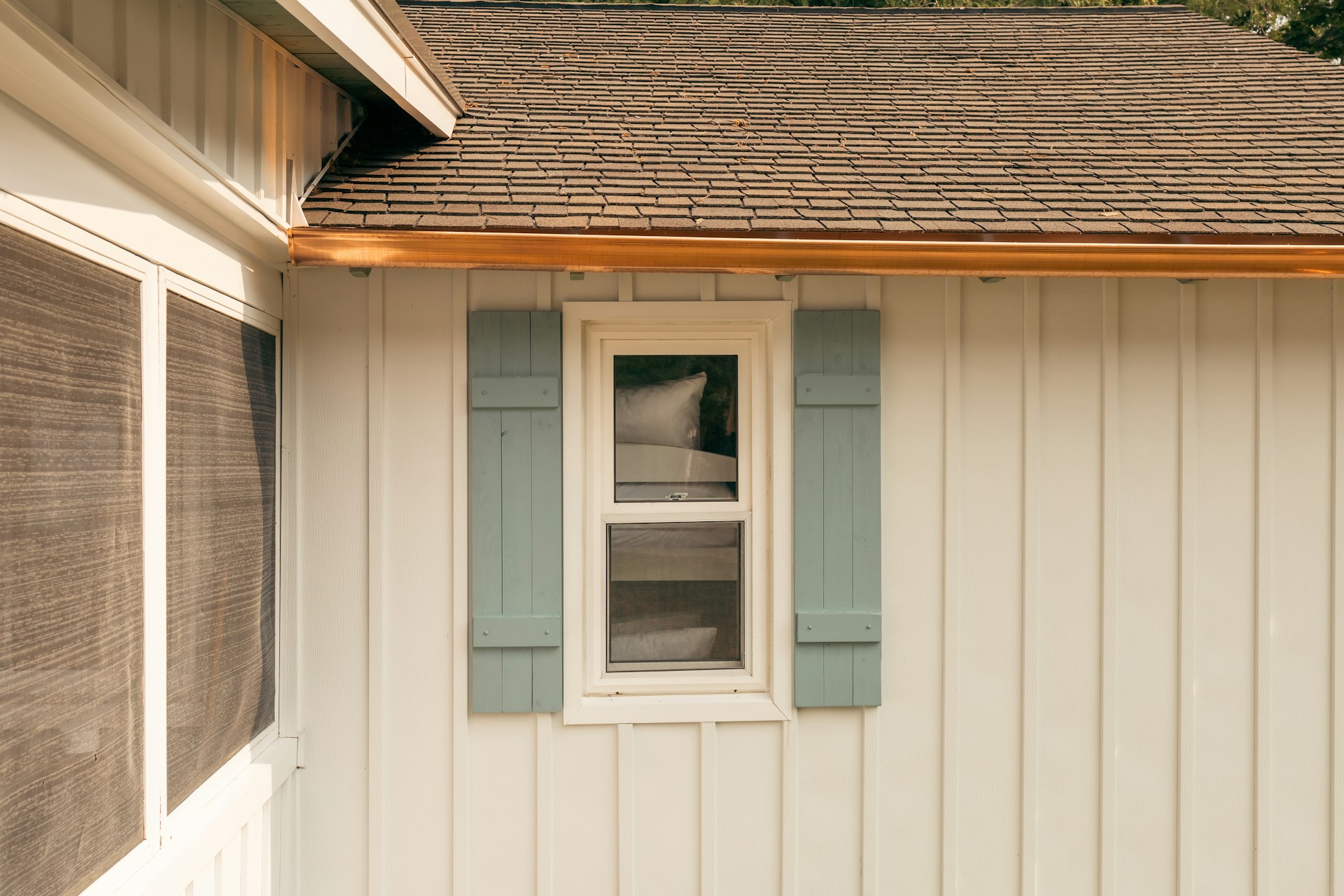
Spring Risks Every Siding Contractor in Methuen MA Wants You to Know
Spring weather can put up a fight in Methuen, MA. After a rough winter, warm rain and gusty winds come barreling through the Merrimack Valley. This shift often reveals wear on a home’s siding that wasn’t noticeable during colder months. As siding contractors in Methuen, MA, we see the same patterns each spring, especially on homes that are a few decades old.
With temperatures swinging and rainfall picking up, siding is under more pressure than it seems. Damage isn’t always loud or dramatic. Sometimes, it’s the small signs, fading color, warped ends, or loose corners, that tell the real story. Spotting these problems early helps keep repair bills from growing when summer storms hit. The sooner these subtle issues are caught, the easier and less expensive the repairs tend to be.
Moisture Traps and Water Damage
Once spring rain kicks in, older siding can start to show where it’s most vulnerable. Water gets tricky this time of year. It sneaks behind panels and into places it shouldn’t.
Cracks or gaps from the cold months often go unnoticed until rain finds them
With daytime warmth and cooler nights, boards expand and contract, making it easier for water to slip behind them
Poor drainage near the foundation can soak the bottom row of siding, leading to rot or mold that builds quietly
In homes without regular spring checks, water can stick around longer than expected. Damp siding may not dry out right away when shaded by trees or porches. That’s when we start to see bubbling paint, soft patches, or streaks forming on exterior walls. If this moisture is left unattended, the damage will continue to worsen as summer draws closer, potentially affecting interior walls and insulation as well. That’s why a careful look at your siding early in the season is so important.
Wind Stress and Loose Siding
Spring brings more than rain, it can get downright windy. And when gusts pick up speed, they tug at siding more than people realize.
Fasteners and nails from older installations can work themselves loose after seasons of stress
Panels near corners, windows, or trim take the brunt of these spring gusts and tend to rattle or lift
Once a panel loosens, it creates an easy opening for bees, mice, or birds to find shelter behind it
By the end of May, we’ve checked plenty of homes where the siding looks fine from a few steps back, but up close, panels are barely clinging on. All it takes is one strong gust to flip a piece loose or start a chain reaction up the wall. Even panels that appear secure at first glance might hide minor gaps or loose ends caused by storms over the past few months.
Not only does loose siding invite small animals, but wind-driven rain can work its way behind any open seams, further driving the need for prompt repair. Homeowners are often surprised by how vulnerable their siding can become after just a single spring storm.
Hidden Leftover Winter Damage
Winter might feel like a memory by late May, but the damage it leaves behind doesn’t vanish with the snow. Ice, snow piles, and deep freezes all leave their mark, even if it’s not easy to spot from the ground.
Ice dams often push panels out of shape during snowmelt, creating small bulges or ridges
Caulk and sealant near seams or trim can crack during freeze-thaw cycles and go unnoticed until spring rain slips in
What looks like a clean, healthy wall may hide hairline splits that trap water behind them
A siding contractor in Methuen, MA won’t just look for obvious issues. We keep an eye on those telltale post-winter signs, trim pulling away, joints splitting, thin lines forming along the edges, all things easy to miss unless you know what to watch for. Spring is when quiet problems from winter finally start to show themselves. Sometimes these hidden troubles do not reveal their severity until temperatures rise, and increased rainfall brings previously dormant leaks to the surface.
Scheduling an inspection while winter damage is still fresh can help prevent the need for major repairs later. When water gets behind siding due to tiny splits or cracked sealant, it can seep downward and affect a larger area than homeowners assume, sometimes even impacting indoor comfort.
UV and Heat Impact Before Summer Starts
Even before summer officially hits, late spring sun starts to scratch at siding materials already under stress. It doesn’t have to be a scorcher for the sun to take a toll.
Faded spots, especially on south-facing walls, signal that protective layers are starting to wear down
Surfaces may feel dry or chalky to the touch when color is breaking down
Panels with uneven light exposure may start to curl or warp, especially where shade meets sun on the same wall
This change often creeps in. One section might look a little blotchy or off-color, and within a few weeks, it’s noticeably different from the rest. Cracking, peeling, or warping follows, made worse by May’s warming air and rising overnight temps. Consistent sun exposure takes its toll on siding, slowly thinning out protection until trouble spots begin to show.
Routine checks in these transition months allow you to spot color fading and texture changes before serious warping or chipping starts. Siding that has lost its finish in the spring will be even more vulnerable to harsh UV rays, heavy rain, and wind as summer approaches.
A Safer Home Starts with Early Spring Checks
Spring siding risks come quietly, but they move fast. What starts as a strip of fading paint or a loose corner can snowball into something that costs more time and stress down the road. We have seen it year after year. A few quick signs mean the siding’s seal no longer protects like it should.
Warped or cracked pieces in shadowed corners or under eaves can stay damp too long
Gaps around trim or flashing give wind and pests easy access behind the walls
Discoloration or softness at the siding’s base means water is pooling more than usual
According to Family Roofing’s siding page, we provide vinyl and composite siding installations in Methuen, MA, with professional prep, insulation options, and color-match trim to address leaks, warping, and energy loss from aging exteriors. All work is performed by licensed and insured crews, and backed by a craftsmanship warranty.
Staying alert is easier when the air is still mild and rainy days haven’t turned into thunderstorms. Walking around the house to spot early signs now can help avoid the noise, heat, and hassle that pops up later in the season. A little attention in spring often holds up a lot better than repairs made in the rush of summer. By spending time on a simple assessment during April or May, you are likely to save yourself from more expensive and disruptive repairs late in the season. Homeowners who keep an eye out for small color changes, minor warping, or fresh gaps early in the year tend to have siding that holds up better, both this spring and into upcoming years.
Noticing siding that’s pulling away or fading in patches could mean your home needs attention before spring weather in Methuen, MA, takes a bigger toll. As your local experts, we’re here to spot the small problems you might miss from the driveway and provide solutions before they escalate. Reach out to a reliable siding contractor in Methuen, MA today by calling Family Roofing, and let’s make sure your siding is ready for the season ahead.
