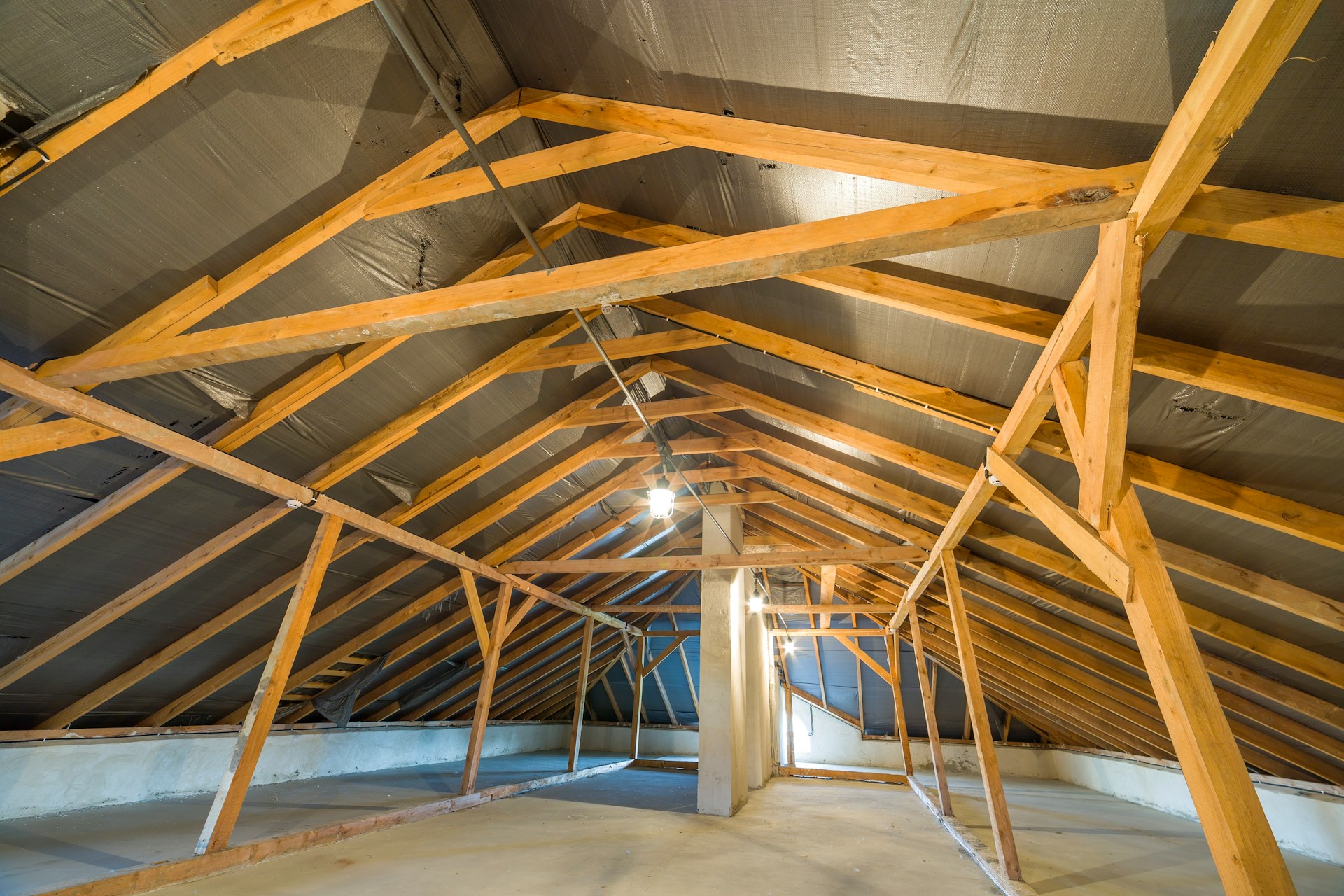
How Poor Attic Ventilation Shortens Your Roof’s Lifespan
How Poor Attic Ventilation Shortens Your Roof’s Lifespan
Attic ventilation is one of those behind-the-scenes details that quietly determines how long your roof will last. When air cannot move through your attic, heat and moisture build up, and your roof pays the price long before you ever see a leak. For homes in Massachusetts and throughout New England, where we deal with hot summers, cold winters, and everything in between, healthy attic airflow is especially important.
In this article, we will walk through what attic ventilation actually is, what happens when it is not working, and how that cuts years off your roof’s life. We will also cover warning signs to watch for, common ventilation solutions, and when it is smart to get a professional roof inspection from an experienced roofing contractor like our team at Family Roofing.
Hidden Roof Killer: Why Attic Ventilation Matters More Than You Think
At its simplest, attic ventilation is a system that lets your attic breathe. Fresh air comes in through intake vents, usually along the soffits or lower edges of the roof, and warm, stale air exits through exhaust vents, often at the ridge or higher points of the roof. When this intake and exhaust are balanced, air moves naturally and your attic stays closer to the temperature and humidity of the outdoor air.
In a four-season climate like Massachusetts, that balance is especially important. Hot, humid days, freezing nights, and quick weather swings all put stress on your roofing materials. If air gets trapped in the attic, heat and moisture start to accumulate. That trapped air slowly damages shingles, wood decking, insulation, and even the structural framing, often long before you see obvious signs from the ground.
Our goal here is to help you understand how this hidden problem works, how to spot warning signs early, and when it is time to call in a roofing professional. With a clear picture of what is going on above your ceilings, you can protect your roof before small issues turn into major repairs.
What Really Happens in an Attic with Poor Ventilation
When an attic is not ventilated properly, it becomes a heat trap in summer. Temperatures in a poorly vented attic can climb far higher than the outside air, essentially baking your roof from the inside. Shingles are designed to handle sun and heat from above, but when intense heat is coming from underneath as well, they age much faster, dry out, and lose flexibility.
Winter brings a different problem. Warm air from your living spaces naturally rises. If it leaks into a cold attic and cannot escape, it condenses on colder surfaces like wood rafters, roof decking, and even the nails holding your roof together. Over time, that repeated cycle of condensation creates a damp environment where mold, mildew, and wood rot can start to form.
Insulation and air sealing play a big part in this story too. Even with a well-installed roof on top, if warm, moist indoor air is leaking into the attic and the attic cannot breathe, moisture is going to build up. Proper insulation helps keep heat where it belongs, inside your home, and air sealing reduces the amount of indoor humidity that reaches the attic in the first place, but without ventilation, the attic still struggles to dry out.
How Poor Ventilation Cuts Years Off Your Roof’s Life
All that trapped heat and moisture has a direct impact on your roofing materials. Shingles can start to curl along the edges or blister, where small raised bubbles appear on the surface. The protective granules on asphalt shingles can loosen and wash off more quickly, making shingles more vulnerable to UV damage. Underneath, the wood decking can warp or become wavy, and the underlayment between shingles and decking can crack or become brittle long before its time.
As moisture works deeper into the roof system, it weakens the structure itself. You might end up with soft spots when walking on the roof, sagging areas along the ridge, or slow-developing leaks that first show up as small stains on ceilings. That hidden moisture can also affect interior drywall, causing bubbling paint, discoloration, or peeling tape joints.
Energy efficiency and comfort take a hit too. A hot, poorly vented attic can make second floors feel uncomfortable, even when the AC is running. Your cooling system has to work harder and run longer to keep up. In winter, warm air leaking into the attic can melt snow on the roof, which then refreezes along the eaves and forms ice dams. Those ice dams can force water back under shingles, leading to leaks inside the home.
Warning Signs Your Attic Ventilation Is Failing
Many homeowners first notice ventilation issues through comfort problems inside the house. Common red flags include:
Bedrooms or hallways on the upper floor that stay hot, even when the AC is on
Musty or stale odors that seem to come from upstairs or near the attic hatch
Peeling or bubbling paint on ceilings that sit directly under the attic
Persistent humidity issues, like windows fogging or condensation around ceiling vents
On the outside, or inside the attic itself, other clues may appear. You might see shingles along the roof that look wavy or are starting to curl at the edges. In the attic, mold or mildew spots on rafters and decking, rusty nail heads, or insulation that feels damp are strong warnings that moisture is building up. In winter, frost on nails or the underside of the roof sheathing is a clear sign of warm, moist indoor air condensing in a cold attic.
Because attics can be cramped, dusty, and in some cases unsafe to walk in, many homeowners are understandably hesitant to inspect them closely. This is where a professional roof inspection is so valuable. A trained roofing contractor can safely access the attic, recognize subtle signs of ventilation trouble, and assess how serious the damage might be.
Fixing Ventilation Problems Before They Ruin Your Roof
When it comes to fixing ventilation, there is no single vent that solves everything. A healthy system often uses a combination of:
Soffit vents along the lower edges of the roof for consistent intake
Ridge vents at the peak of the roof for continuous exhaust
Gable vents on end walls to improve cross-ventilation in some roof designs
Powered or solar attic fans in specific situations where natural airflow is not enough
The key is designing the right balance for your specific roof. Too little ventilation means trapped air, but too much exhaust with not enough intake can also cause problems by pulling conditioned air out of your home. Poorly placed vents can even create dead zones where air does not move at all, leaving some areas of the attic hotter and more humid than others.
Before adding or changing vents, it is wise to have a roofing contractor perform a thorough review of your attic and roof. That includes checking existing vents, looking at insulation levels, and seeing how air moves through the space. A professional roof inspection helps ensure that any changes you make actually solve the problem instead of just adding more vents and hoping for the best.
When to Call a Local Roofing Expert in Massachusetts
So how do you know it is time to bring in a local roofing expert? Some common triggers include:
A roof that is more than 10 to 15 years old and starting to show wear
Recurring ice dams along the eaves each winter
Energy bills that seem high compared to similar homes, especially in summer
Visible shingle damage near the ridge or large areas of curling and granule loss
During a professional roof inspection focused on ventilation, you can expect a few key steps. A contractor will typically look inside the attic for signs of moisture, check the condition and placement of intake and exhaust vents, and examine the roof surface from outside. They may also check insulation depth, look for air leaks from the living space, and evaluate whether the current ventilation matches the size and shape of your roof.
At Family Roofing, we see how often ventilation questions come up during roof repairs and replacements throughout Massachusetts. We know homeowners want honest guidance on whether they need a small upgrade to their vents, a change to their attic insulation, or a more complete roof and ventilation system improvement.
Protect Your Roof’s Future with Smart Ventilation Choices
A healthy attic environment can add years to the life of your roof, help prevent expensive structural repairs, and make your home more comfortable in every season. Good ventilation works quietly in the background, letting heat and moisture escape before they can do real damage to shingles, decking, and framing.
Instead of waiting for leaks, stains, or ice dams to force an emergency repair, it pays to be proactive. A professional roof inspection focused on attic conditions and ventilation can uncover small issues early and give you a clear plan for protecting your home for the long term.
Protect Your Home With a Trusted Roof Inspection Today
If you have noticed signs of wear or recent storm damage, now is the time to schedule a thorough professional roof inspection. At Family Roofing, we carefully assess your shingles, flashing, and underlayment so small issues do not turn into costly leaks. We will walk you through our findings, recommend practical repair options, and respect your budget. To book an appointment or ask questions, simply contact us today.
