What You Need to Know About Preventing Water Damage Under Asphalt Shingles
Nothing ramps up home maintenance stress like unexpected water damage, especially when it’s coming from above. Asphalt shingles are the first line of defense on many homes in Haverhill, keeping rainwater out and protecting everything underneath. But when that shield breaks down, water makes its way in fast. By the time a stain shows up on your ceiling or mold creeps into the attic, the leak may have already been around for a while.
Early June in Haverhill usually means heavy spring showers winding down and those hot summer days just weeks away. It's a stretch of time when roofing issues from earlier seasons tend to show themselves. That’s why understanding what causes water damage under asphalt shingles, and knowing how to stop it, can save homeowners from bigger problems down the road. Let’s take a look at how that water gets in and what to look out for before a few drops become a major headache.
Why Water Damage Under Asphalt Shingles Is a Major Concern
A leaky roof is more than just an annoyance. That slow drip or faint ceiling stain could be pointing to much bigger trouble. Water getting underneath your asphalt shingles can damage wooden structures, weaken insulation, and even cause long-term structural issues. If left unchecked, it eventually leads to rot, sagging ceilings, or costly interior repairs. It’s not just about keeping dry. It’s about keeping your investment safe.
Many things can set the stage for water damage. Some of the most common causes in Haverhill include:
1. Storm-blown debris cracking or tearing shingles
2. Ice damming during the winter months that creates backup under the shingles
3. Improper installation or aged roofing materials
4. Flashing around chimneys or vents starting to lift or corrode
5. Blocked gutters causing water to pool instead of draining off
Once the water finds a way in, it doesn’t stay in one spot. It travels through the roofing layers, working its way down into insulation, rafters, and drywall. This often results in mold, mildew, and warped framing. In some cases, you might not notice damage until you discover higher cooling bills, poor attic air quality, or sagging plaster inside the home.
It’s important to remember that once water finds a path, it keeps following it. The roof might look completely fine from the outside, but water beneath the shingles can slowly do damage unseen. Recognizing the signs can help avoid expensive surprises later.
Signs of Potential Water Damage You Shouldn’t Ignore
You don’t have to climb onto your roof to tell if there may be an issue. A simple walk around your house and a few indoor checks can reveal warning signs that something’s not right. Here’s what you should look for:
1. Brown or yellow stains on ceilings or around light fixtures
2. Bubbling or peeling paint or wallpaper on top floor walls
3. Damp insulation or an attic that smells musty
4. Patches of mold growing along ceiling corners
5. Shingles that are curling, cracked, or missing
6. Visible shingle granules collecting in your gutters after it rains
If you spot any of these signs, don’t wait. A small discoloration today can turn into a major leak next week. Even one missing shingle can give rainwater the opening it needs to spread across large sections of your underlayment.
Inspecting from the ground using a pair of binoculars can give you a safer look at your shingles. You can spot flashing that’s out of place or shingles that have started to lift or crack. Sometimes, though, the damage is less obvious. That’s when it's best to call in a roofing expert who knows what to look for underneath.
Catching these early signs can keep a minor patch job from turning into a full roof replacement. Think of it like checking your car’s tires. Not everyone does it often, but doing so can keep you from getting stuck later. Regular roof check-ups combined with a watchful eye can go a long way in maintaining your home’s protection from water damage.
Preventative Measures to Avoid Water Damage
The best way to deal with water damage under asphalt shingles is to stop it before it ever starts. In a place like Haverhill, where spring rains are followed by summer heat, roofs need to handle quick changes in temperature and moisture. That means homeowners need a plan for keeping things in check through regular maintenance and quality installation.
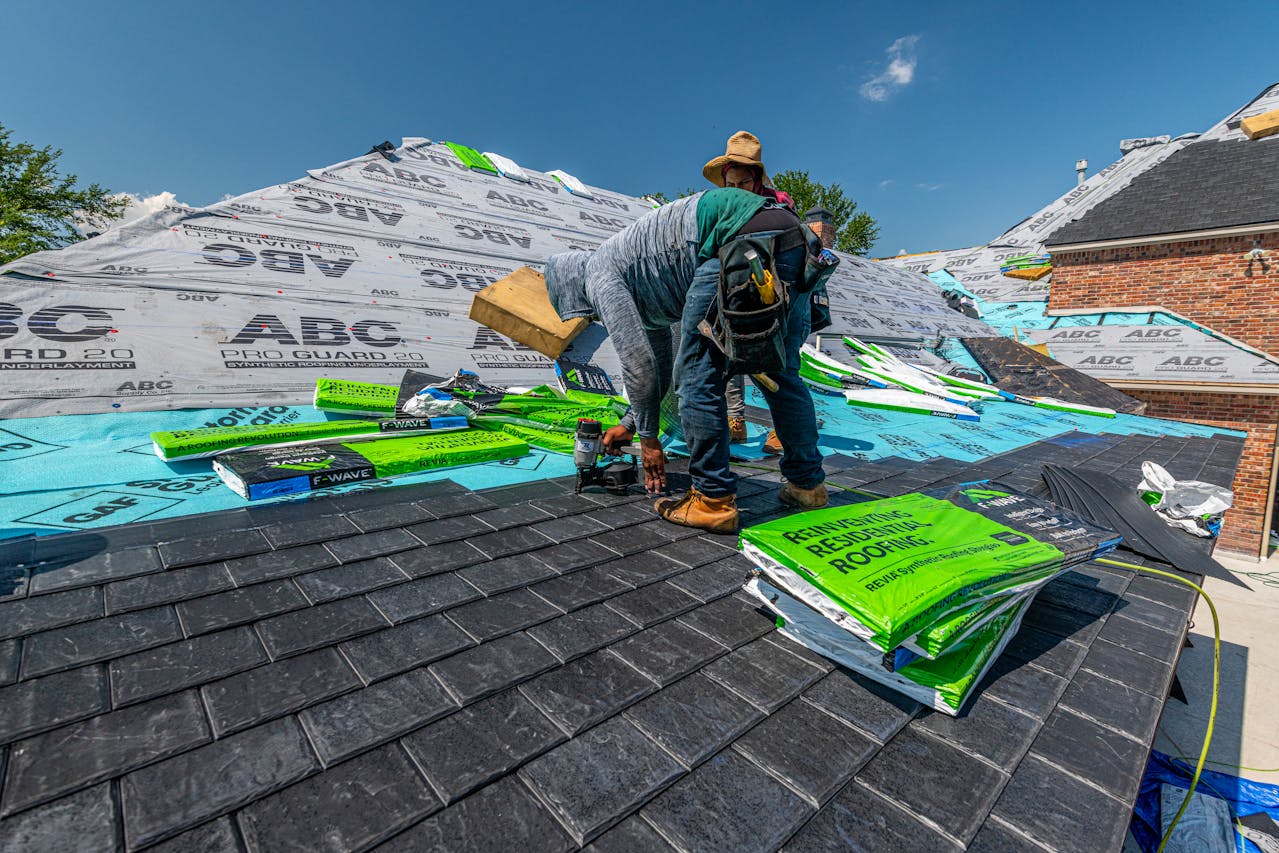
First, getting your asphalt shingles installed the right way matters more than most people think. Even brand-new shingles can fail if they aren’t aligned or sealed properly. Issues like sloppy nailing or improperly placed flashing leave gaps for water to sneak through. That’s why it’s best to work with professionals who follow local building codes and know what details to pay attention to.
Gutter care is another big piece of the puzzle. If water can’t drain off your roof, it’s going to find another way down, and that often leads under your shingles. Cleaning your gutters and downspouts every spring and fall can help. Many homeowners use gutter screens or leaf guards to cut down on debris, especially if you live near trees.
Speaking of trees, check for limbs that hang over your roof. They may seem harmless, but during storms, they can break off and damage your shingles or trap moisture over time. Heavy shade also keeps parts of your roof damp longer than necessary.
Don't forget attic airflow. Poor attic ventilation causes warm, humid air to collect indoors, which can lead to warped shingles and mold growth from trapped moisture. Make sure your attic vents are clean, with an even balance between intake and exhaust. This balance helps your roof breathe and reduces chances of condensation building up under the shingles.
Here’s a quick checklist to help extend your asphalt roof’s life:
1. Clean gutters and downspouts each spring and fall
2. Trim back overhanging tree branches
3. Schedule a roof inspection every year
4. Make sure flashing is firmly sealed
5. Check attic vents to allow heat and moisture to escape
Following these steps gives your roof a stronger chance of holding up, even through Haverhill’s unpredictable seasons.
Addressing Small Issues Before They Become Big Problems
When it comes to roof care, timing is everything. A torn shingle or small gap in flashing may not seem like much, but after one heavy storm, that tiny issue can turn into soaked insulation, warped wood, or even ceiling leaks inside the house.
Fixing a missing shingle or resealing flashing takes far less time and money than repairing rot or drywall damage. These quick fixes only matter if you catch them early. That’s why regular inspections make such a big difference. Don’t wait until water stains appear inside your home to start paying attention.
Most homeowners tend to look at their roofs after storms or during winter, but summer heat also poses a risk. Sun exposure softens materials and causes expansion and contraction, which can widen cracks that weren't a problem in cooler months. That's often when hidden leaks begin.
Let a trusted professional assess any changes or concerns you notice. A roofing contractor knows the less obvious signs—like loose edges, brittle shingles, or missing sealant—that can cause leaks down the line. Having them take a look a couple of times a year can help prevent those surprises later on.
Think of it like getting your HVAC system serviced before it breaks down. Proper upkeep helps everything last longer and saves on bigger repairs later.
Keeping Your Haverhill Roof Ready for Every Season
Living in Haverhill means your roof faces something different every few months. From bitter winter storms to rainy spring days to the heat of summer, your asphalt shingles are constantly tested. That’s why it pays to take small steps during clear weather to get ahead of possible problems.
Knowing how to spot warning signs, cleaning up debris, checking your attic’s airflow, and replacing worn shingles right away are all small things that add up to a more reliable roof. The less you ignore the minor wear and tear, the more confident you can feel when the next storm rolls through.
Investing in regular roof inspections and staying on top of maintenance not only helps avoid costly repairs but also boosts your home’s protection and overall value. A roof that holds strong through the seasons starts with paying attention before trouble begins. Let Family Roofing help keep your home dry, secure, and protected no matter what Haverhill’s forecast has in store.
If you're a Haverhill homeowner looking to stay ahead of roof leaks and long-term moisture damage, proper asphalt shingle installation is key to keeping your home protected year-round. With Family Roofing, you get the benefit of expert craftsmanship and dependable service that keeps your roof strong through every season. Reach out today to schedule your inspection or repair.
